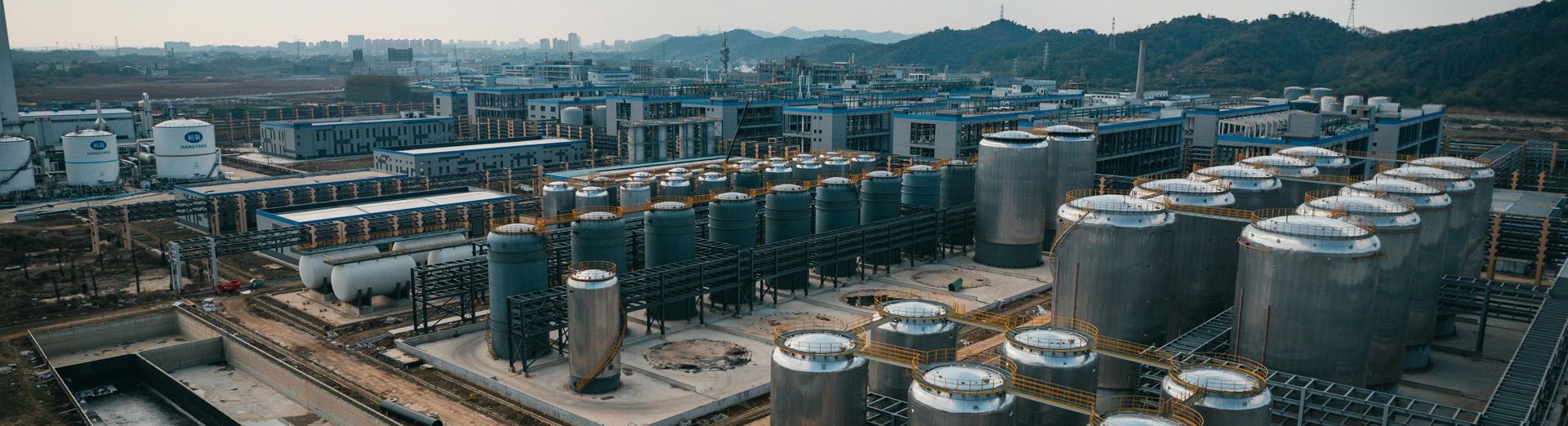
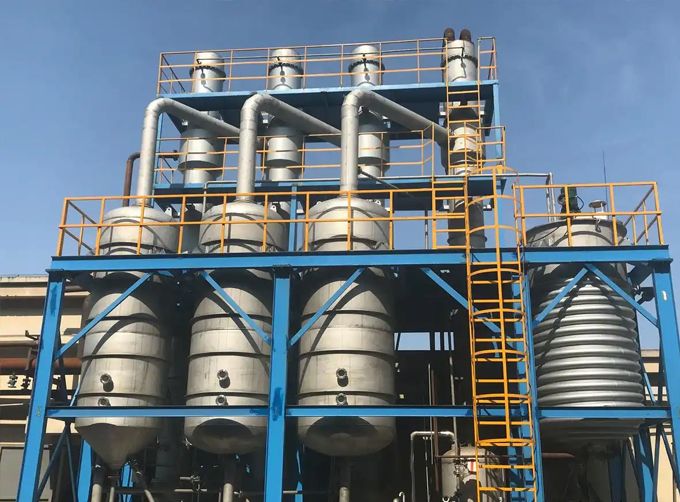
Multiple Effect Distillation Evaporator — Proven & Robust Multi-Stage Energy-Saving Evaporation System Product Overview The Multiple Effect Distillation (MED) Evaporator is a high-efficiency system composed of multiple single-effect evaporators connected in series. Fresh steam is supplied only to the first effect as the heating source subsequent effects sequentially utilize the secondary vapor generated by the previous effect, achieving multiple reuse of thermal energy. With mature technology,
Multiple Effect Distillation Evaporator — Proven & Robust Multi-Stage Energy-Saving Evaporation System
The Multiple Effect Distillation (MED) Evaporator is a high-efficiency system composed of multiple single-effect evaporators connected in series. Fresh steam is supplied only to the first effect as the heating source; subsequent effects sequentially utilize the secondary vapor generated by the previous effect, achieving multiple reuse of thermal energy. With mature technology, stable operation, and large processing capacity, MED evaporators are extensively applied in large-scale solution concentration and high-salinity wastewater treatment across industries such as chemical, pharmaceutical, food, salt production, and environmental protection, serving as a classic solution in energy-saving evaporation.
The feed liquid is evenly distributed into each effect. Live steam is introduced solely into the heating chamber of the first effect, causing the material to boil and generate secondary vapor. Instead of being condensed directly, this vapor is piped to the heating chamber of the second effect, where it acts as the heating medium for the subsequent material load, producing lower-grade secondary vapor. This cascading utilization of latent heat continues through each successive effect. The final vapor from the last effect is fully condensed in a terminal condenser using circulating cooling water. A progressive pressure and boiling point gradient is maintained across all effects through a vacuum system (typical in forward feed), requiring no electrical compressor, with the entire process driven by thermal energy.
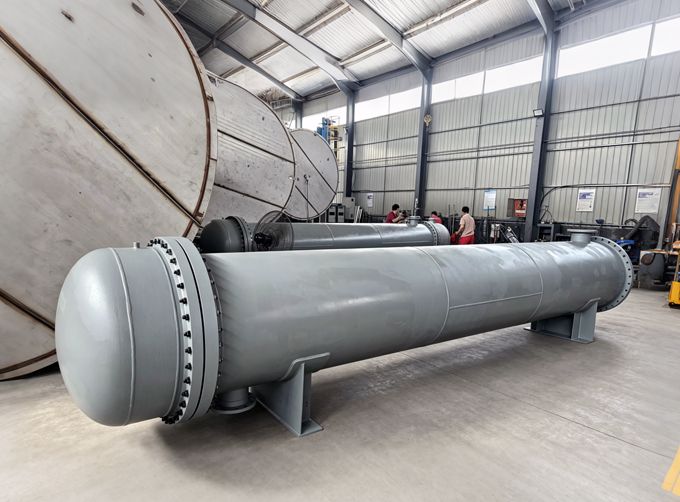
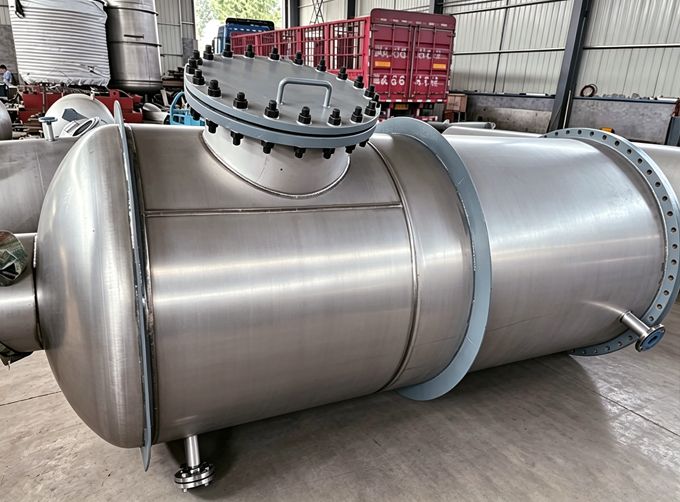
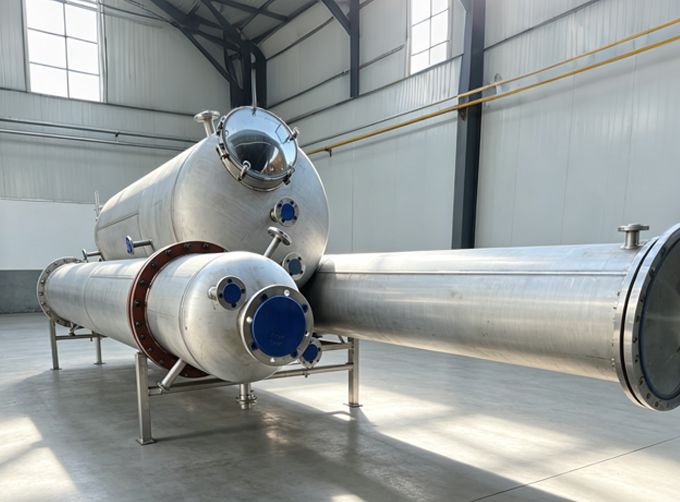
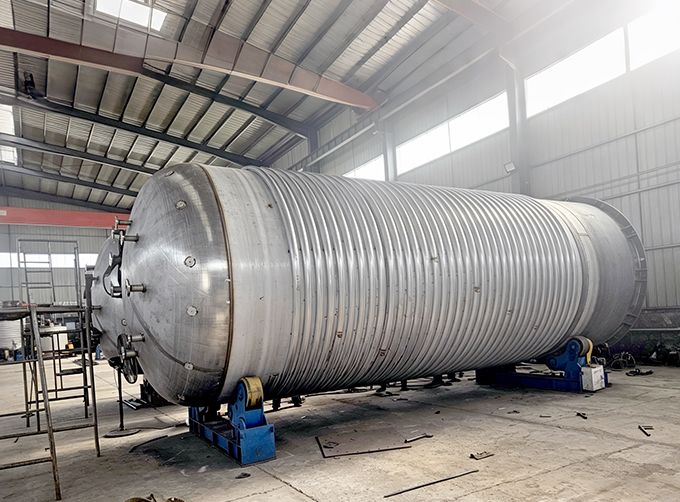
Evaporator Body: Comprises multiple single-effect evaporators in series. Each effect includes a shell-and-tube heating chamber for heat exchange and a separation chamber for vapor-liquid separation.
Live Steam Inlet & Control Valves: Introduces boiler steam or process waste steam exclusively to the first effect, with precise flow regulation to control the overall thermal load.
End Condenser: Installed downstream of the final effect, using water-cooled or air-cooled methods to completely condense the terminal secondary vapor, thereby maintaining system vacuum.
Vacuum System: Typically employs liquid ring vacuum pumps or steam jet ejectors to extract non-condensable gases, establishing and sustaining negative pressure environments in each effect to suppress boiling points.
Feed & Condensate Transfer Pumps: Facilitate raw material feeding, inter-effect liquid transfer, and continuous discharge of condensate and concentrated product from each stage.
Proven Reliability: Field-validated technology refined over decades, characterized by straightforward operation, stable operation, and operator-friendly maintenance requirements.
Low-Grade Heat Utilization: Capable of operating with low-pressure saturated steam, process exhaust steam, or even hot water, enabling effective recovery of industrial waste heat.
Economy of Scale: With more effects, steam economy sharply increases (e.g., a triple-effect unit consumes only 0.35–0.4 tons of steam per ton of water evaporated), making it ideal for large-scale facilities processing hundreds to thousands of tons per day.
High Operational Flexibility: Feed rates and steam pressure can be flexibly adjusted according to load variations, accommodating diverse feed characteristics and concentration requirements.
Low Maintenance Cost: With no high-speed rotating machinery like compressors, the system features minimal critical spares and low long-term maintenance expenditure.
Parameter Specification Range / Description |
Number of Effects 1–8 effects (2 to 5 effects are most common)
Processing Capacity 1–300 t/h (customizable)
Steam Consumption per Ton Single-effect ~1.1 t/t; Triple-effect ~0.35–0.4 t/t; Quintuple-effect ~0.2–0.25 t/t
Evaporation Temperature First effect 90–120°C; Final effect 45–60°C (vacuum gradient regulated)
Material of Construction Carbon steel, SS304/316L, 2205 Duplex Stainless Steel, Titanium, etc. (material in contact with process fluid selected per application)
Control Mode PLC/DCS automatic control, remote monitoring and safety interlocking supported
Feed Mode Forward, backward, or mixed feed, flexibly designed according to material characteristics
Chemical Evaporative crystallization of inorganic salts
(NaCl, Na₂SO₄), glycol desalination and recovery
Pharmaceutical Concentration of APIs and intermediate solutions, reduction of high-saline organic wastewater
Food Manufacturing Sugar juice concentration in refining, fermentation broth concentration (MSG, yeast), alcohol vinasse treatment
Salt Production & Vacuum salt production via brine evaporation and Desalination crystallization, small-to-medium-scale thermal seawater desalination
Environmental Front-end concentration for ZLD of FGD wastewater, Protection shale gas produced water reuse, centralized treatment of high-salinity wastewater in industrial parks —–




 1464791908@qq.com

 +86 13832176953