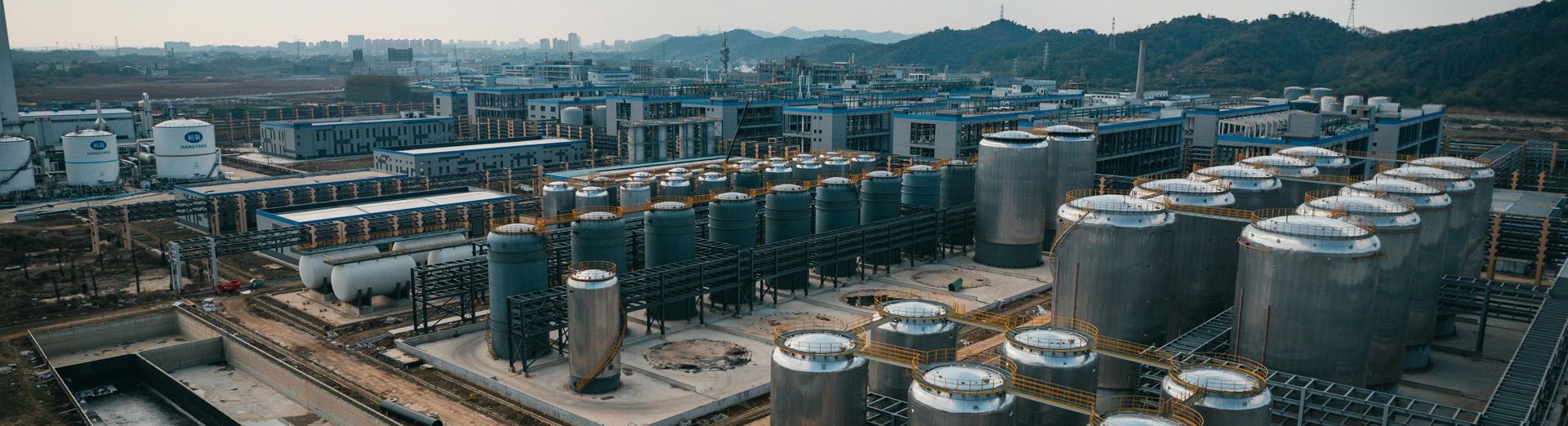
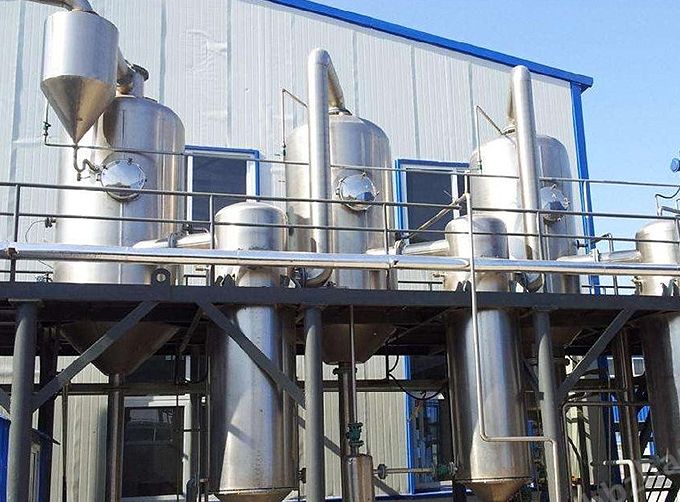
Rising film evaporators are widely used in chemical, food, pharmaceutical, and environmental protection fields due to their high efficiency, energy saving, and friendliness to heat-sensitive materials. They enable key processes such as zero wastewater discharge and fruit juice concentration. However, it is important to note their limitations, such as sensitivity to material properties and high initial investment.
Rising film evaporators are widely used in chemical, food, pharmaceutical, and environmental protection fields due to their high efficiency, energy saving, and friendliness to heat-sensitive materials. They enable key processes such as zero wastewater discharge and fruit juice concentration. However, it is important to note their limitations, such as sensitivity to material properties and high initial investment.
The working principle of a rising film evaporator is based on the evaporation and heat transfer process of a liquid. Its main components include an evaporator, a condenser, a pump, and a separation device. First, the liquid is pumped into the evaporator and then heated to evaporate into steam, forming a thin film inside the evaporator. The steam rises along the inclined film surface, contacting the condenser on the film, thus transferring heat to the condenser, and re-condensing into liquid on the condenser surface. The liquid falls to the separation device under gravity, separating the evaporated substance from the remaining liquid. The evaporated substance is discharged through the steam outlet, while the remaining liquid is returned to the evaporator for recycling.
1. Chemical Industry: Rising film evaporators are used in chemical production for solvent recovery and purification. They can effectively separate organic solvents from solutions, enabling solvent recovery and reuse, reducing wastewater treatment costs.
2. Food Industry: In food processing, rising film evaporators are commonly used for concentrating liquids such as fruit juices, dairy products, alcohol, edible oils, and beverages. Through the action of membranes, water can be evaporated, achieving concentration and purification while preserving the nutritional components of the raw materials.
3. Pharmaceutical Industry: Rising film evaporators are widely used in pharmaceutical processes for solvent recovery, concentration, and crystallization. They can effectively process various drug solutions, improving the efficiency and purity of the pharmaceutical process.
4. Environmental Protection Industry: Rising film evaporators play a crucial role in treating wastewater and waste liquids. They can evaporate organic matter from wastewater, reducing the volume of waste liquid and environmental pollution, while simultaneously enabling the resource utilization of waste liquids.
1. Energy Saving and High Efficiency: Rising film evaporators utilize a highly efficient membrane heat transfer method, effectively utilizing energy and achieving energy savings. Compared to traditional evaporation equipment, they consume less energy and operate more efficiently.
2. Resource Recovery: Rising film evaporators can separate and recover useful substances from liquids, reducing resource waste. In some industries, such as the chemical and pharmaceutical industries, the recovery of solvents and pharmaceutical solid waste is a crucial step, and rising film evaporators can effectively achieve this goal.
3. Environmentally Friendly: Rising film evaporation equipment enables resource utilization of wastewater and waste liquid during treatment, reducing environmental pollution. It evaporates organic matter from wastewater, reducing the volume of waste liquid and the emission of harmful substances, thereby protecting the environment and reducing water consumption.
1. Gear pump inlet and outlet. Continuous operation without stopping the machine.
2. High evaporation efficiency, producing more products with smaller equipment.
3. Stainless steel condenser accelerates separation, improves product purity, and reduces waste of heavy components.
4. Plate heat exchanger and condenser enhance condensation and collection capabilities, minimizing solvent waste.
5. Shortens connection time between vacuum equipment and the system, reducing solvent loss caused by vacuum airflow.
6. Level transmitter design allows for continuous automatic solvent output, allowing for solvent discharge without stopping the machine.
7. Reflux pump design allows for recycling of the evaporator if the residual solvent after the first evaporation does not meet requirements.




 1464791908@qq.com

 +86 13832176953